Companion Robot for Older Adults · Human-Robot Interaction
I will be your caregiver, friend, and family
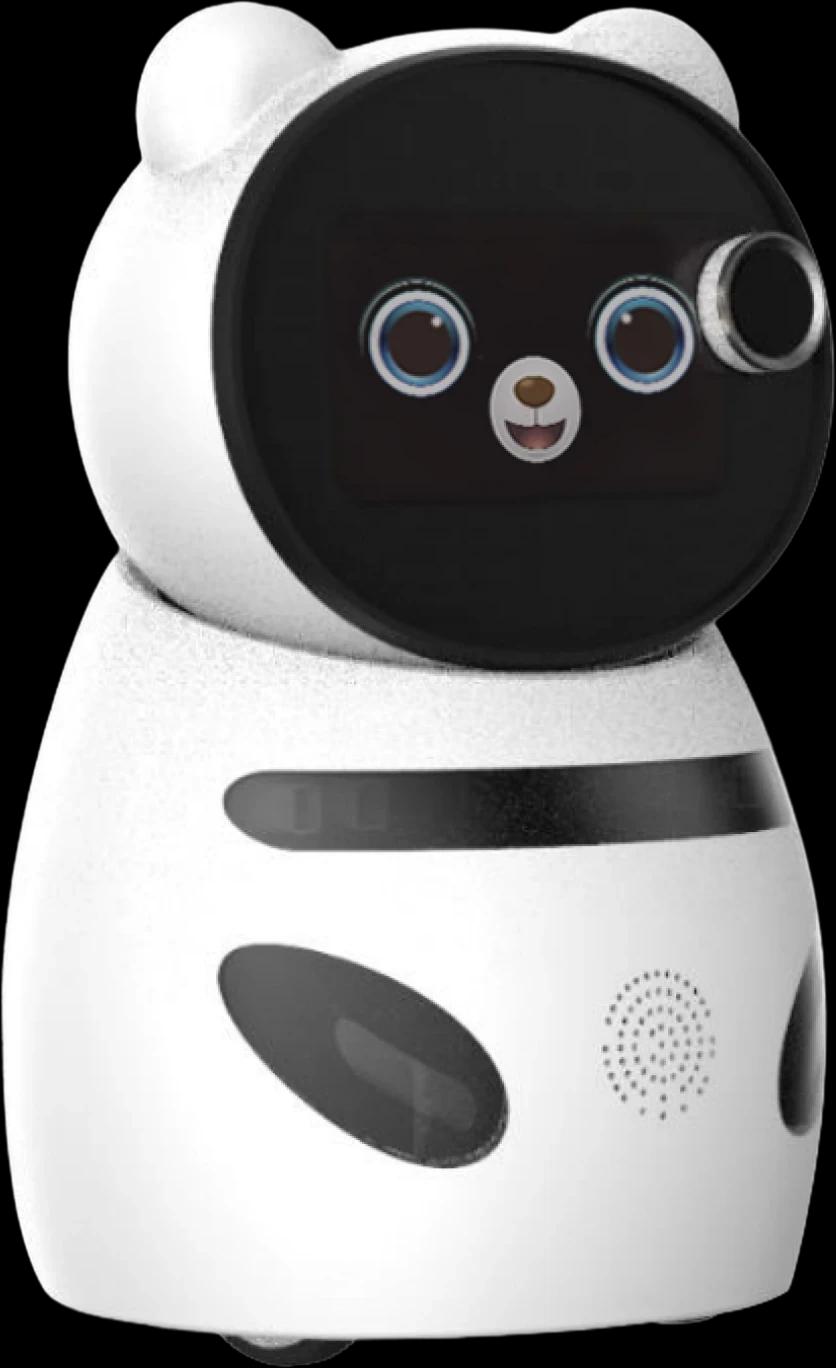
Dori is a companion robot that eases isolation and loneliness in older people. Its interaction was designed around their needs and daily lives.
My role
- Collaborator
- Yonsei University Technology & Design Research Center × Ministry of Science and ICT · National Research Foundation of Korea
- Duration
- 2018.05 — 2019.07
- Team
- PM · UX/UI Designer · UX Researcher · 3D Designer · Data Analyst
How are you feeling today?
- 244
- Older adults surveyedIn-person survey, ages 65+, plus focus group interviews
- 70
- UX scenariosAcross two project years
- 81.8%
- Top-preferred designTeddy-bear form, p < 0.05
Why do older adults find robots uncomfortable?
Social isolation
Require more interaction to relieve depression
- “Most older people who live alone suffer from depression...”— Social worker, Dongjak
- “They say things like "I want to die" and "I'm lonely" a lot...”— Nurse, Jongno
Technology barriers
Require familiar media to solve difficulties
- A barrier to entry for complex applications
- “Computer penetration is low in older adults' homes”— Kyungsung University, 2010
Physical and cognitive decline
Require physical assistance (visual, auditory, etc.)
- “It can't focus. It's a cognitive impairment — impairment in recognizing text.”— Social worker, Gangnam
- “Many can't easily recognize small control buttons or small text.”— Korean Society of Design Culture (2011)
A highly acceptable design, derived from user research
Survey · focus groups · interviews
244 older adults, ages 65+
Literature review
120 papers on assistive robots
Analyze life patterns
Sensors implanted in the living space, and smart-device analysis
Usability testing
Interaction research through a VR experiment
What the research showed about older users
Role of companion
- Older people tend to view AI speakers as companions.
- A companion robot can serve emotional-support purposes, and users recognized it as a companion.
Visual familiarity
- Older adults prefer the familiar, cute shapes of babies and bears.
- They prefer streamlined shapes to linear, electrical ones.
Emotional interaction
- A facial expression similar to a person's improves intimacy and satisfaction.
- An aging-friendly, anthropomorphic tone is recommended.
- Eye contact and facial-expression feedback can improve users' empathy.
My role
01
UX Scenario
The problem wasn't the features — it was the way of communicating
A survey of 244 older adults and focus groups showed the discomfort came from how the robot spoke, not what it did.
Design goals
Reduce unfamiliar ways of communicating
Use expressions and a tone users already know
Design a familiar conversation flow
Talk at a natural pace, in a natural context
Make reactions emotionally understandable
Read the user's feelings and intent, and respond with empathy
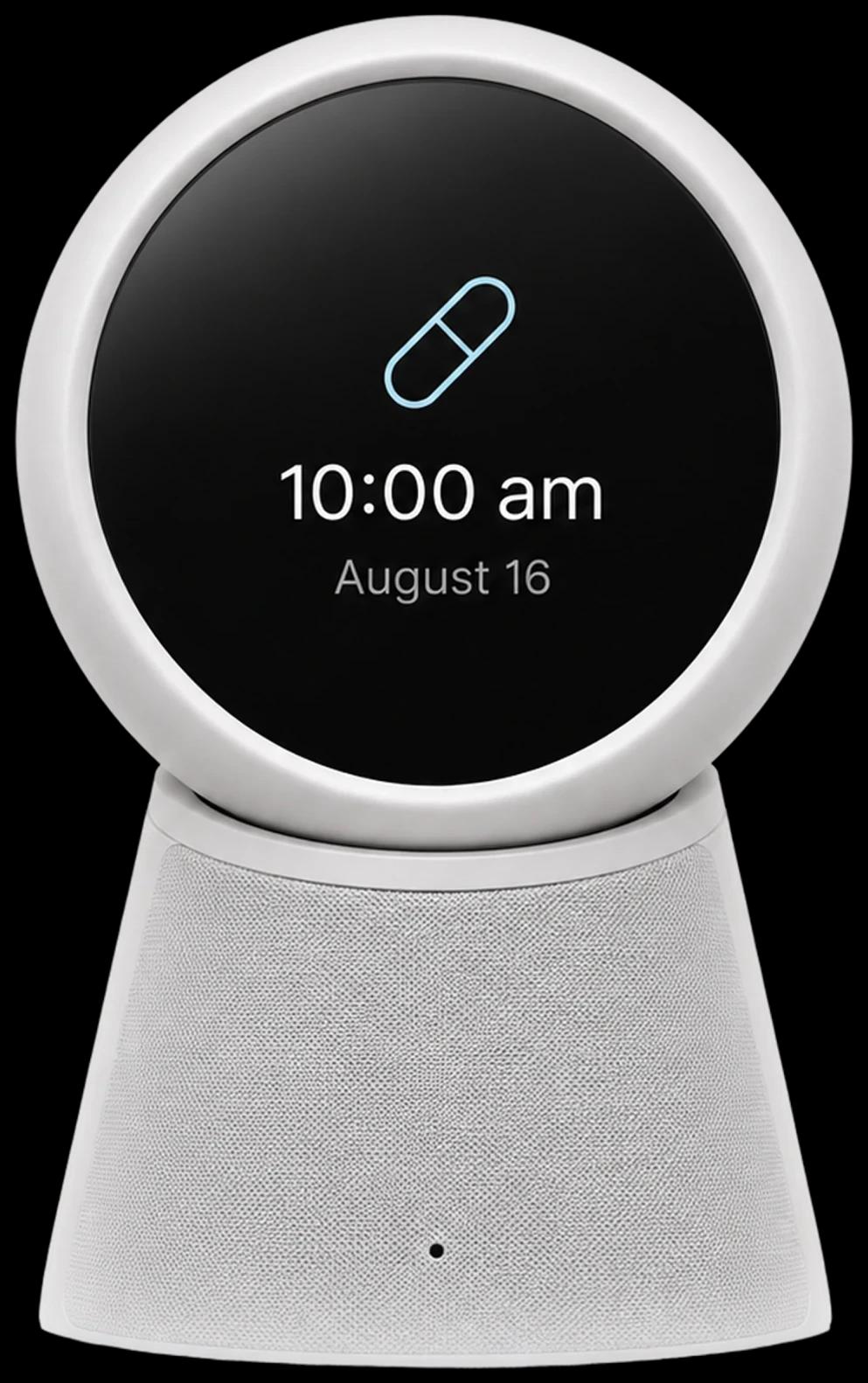
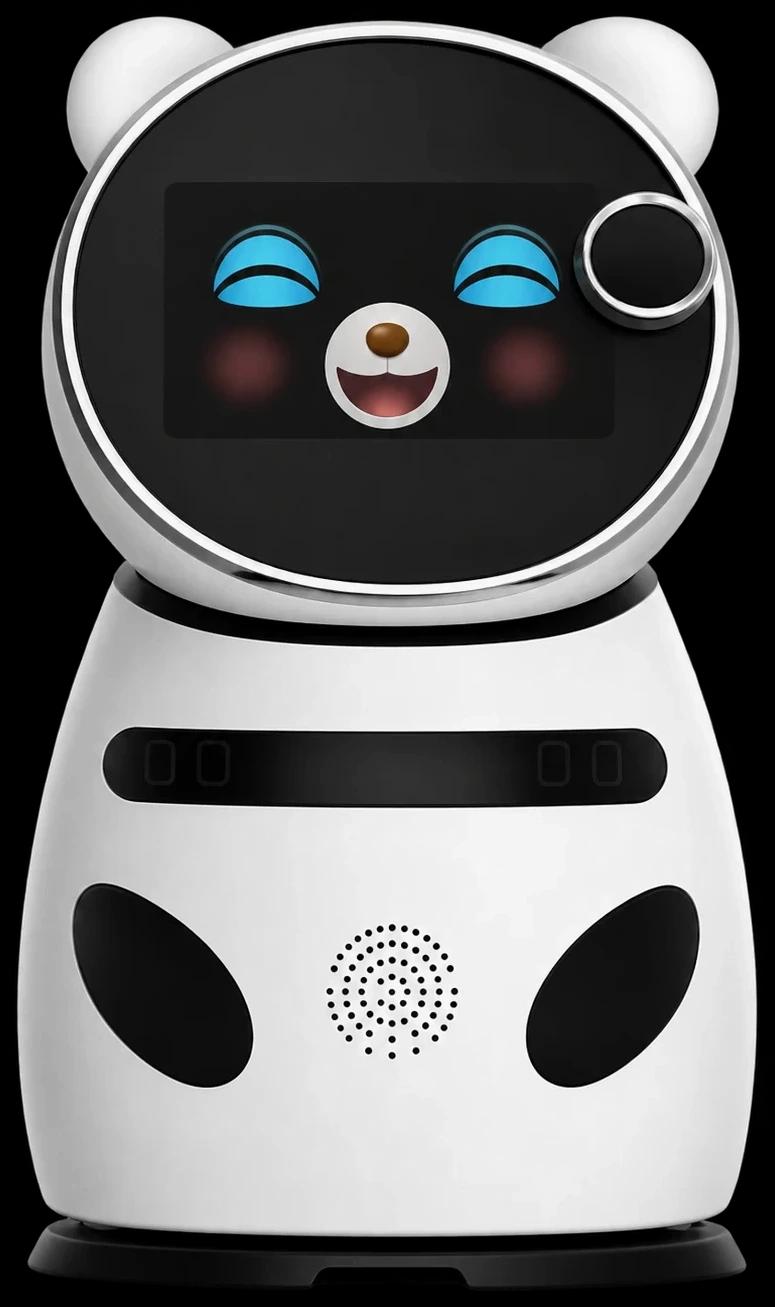
70 UX scenarios for natural communication
To fix how Dori communicates, I designed scenarios around everyday moments: when it speaks first, what it says, how it responds. 33 are proactive. They started broad, from interviews and personas, then were narrowed to what could be built.
1st-year project
13
Scenarios previously generated
2nd-year project
50
Daily-life scenarios
2nd-year project
7
Emergency scenarios
70 scenarios in total
Function categories (111)
Daily / Weather19
- Shopping list2
- Schedule6
- Alarm6
- Weather5
Entertainment24
- Photos & videos4
- Games2
- Camera2
- Music picks1
- TV / Radio9
- Music6
Tech / Internet35
- IoT21
- TTS5
- Recipes3
- Data feeds2
- Blue link1
- Taxi1
- Shopping2
Communication18
- Calls7
- Call 9117
- Texts4
Home management7
- Home check4
- Pet feeding2
- Bath prep1
Health9
- Medication5
- Health checks4
* Some scenarios apply to more than one category.
When the older adult feels unwell
One of the 70 scenarios. Dori moves first: when the smart band flags a warning sign, it starts the conversation, then connects a remote consultation, books the appointment and sends a reminder.
01
Detect health data
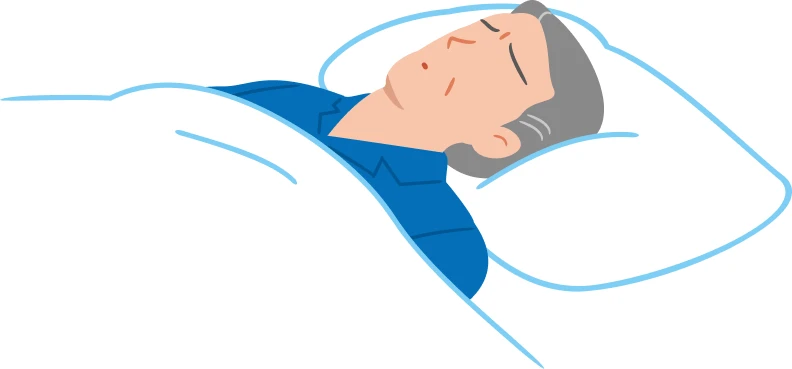
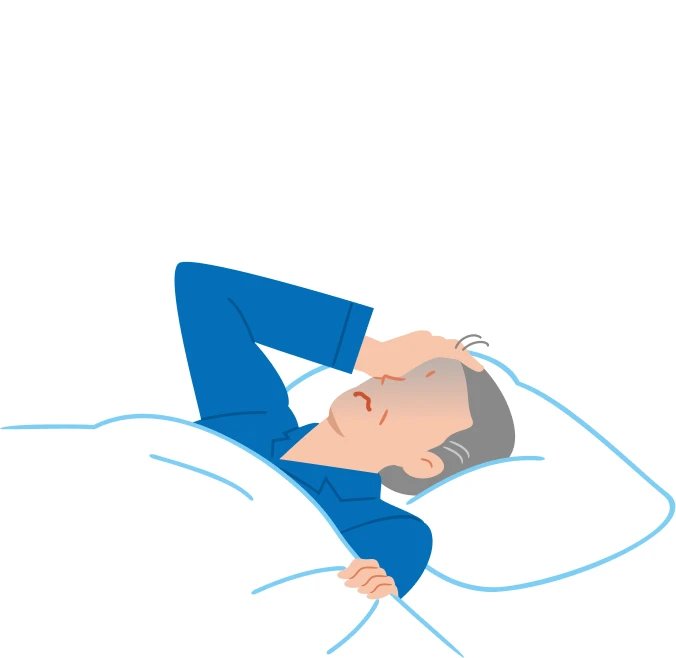
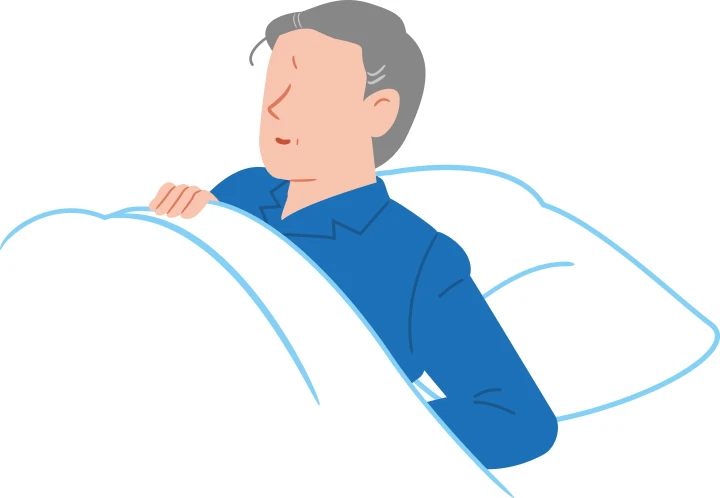
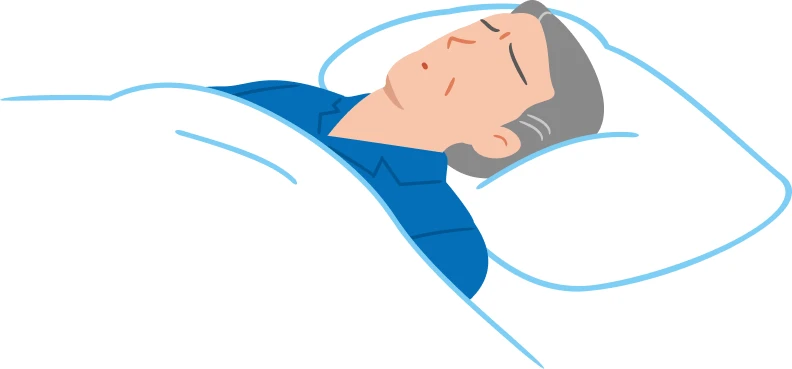
The smart band detects that the user has been lying down for a long time.
Smart bandDetected
Lying down for a long time
402 steps a day on average
 Smart band
Average
402steps
June 5 ~ June 11
SunSMonMTueTWedWThuTFriFSatS5,000002
Ask first
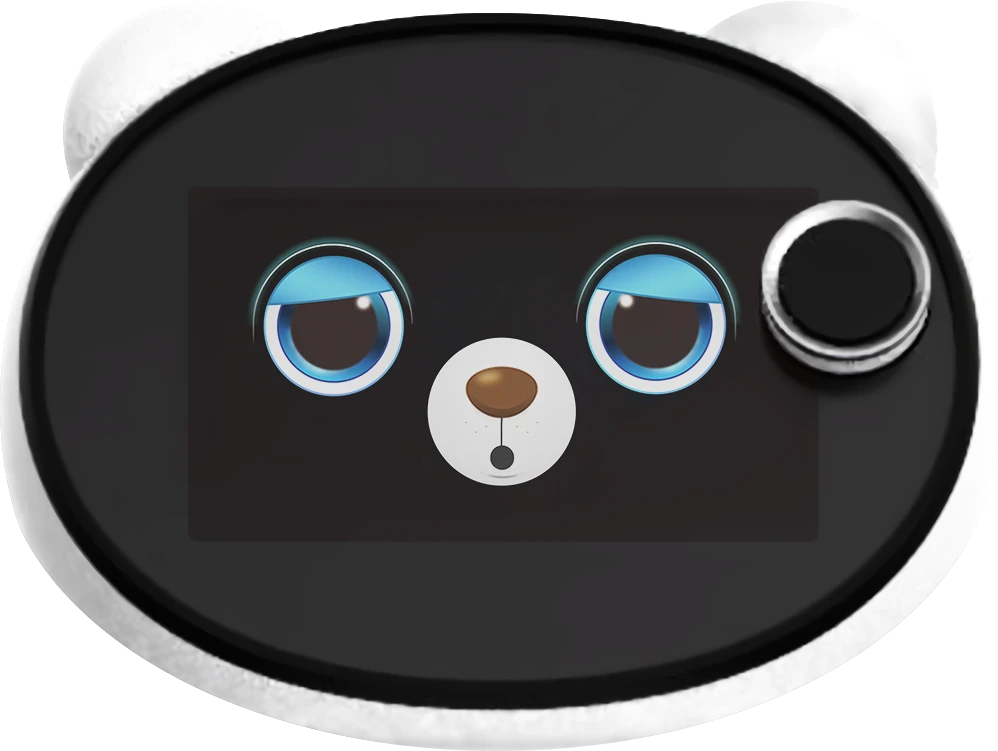
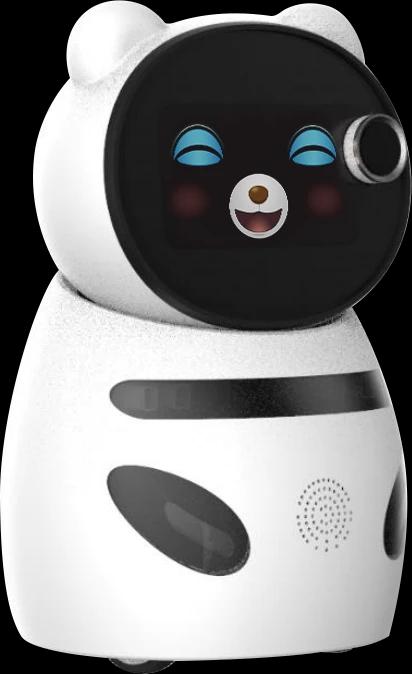
Comparing this with the user's usual activity, Dori asks about their health before being asked.
 Dori
Grandpa, do you feel uncomfortable?
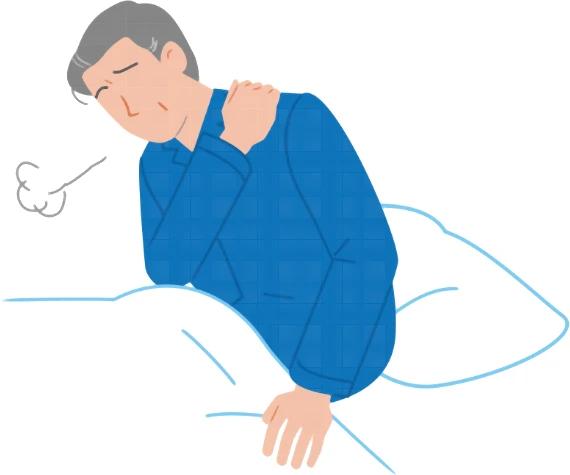
UserWell… my body is getting stiff all over lately.
03
Suggest a doctor
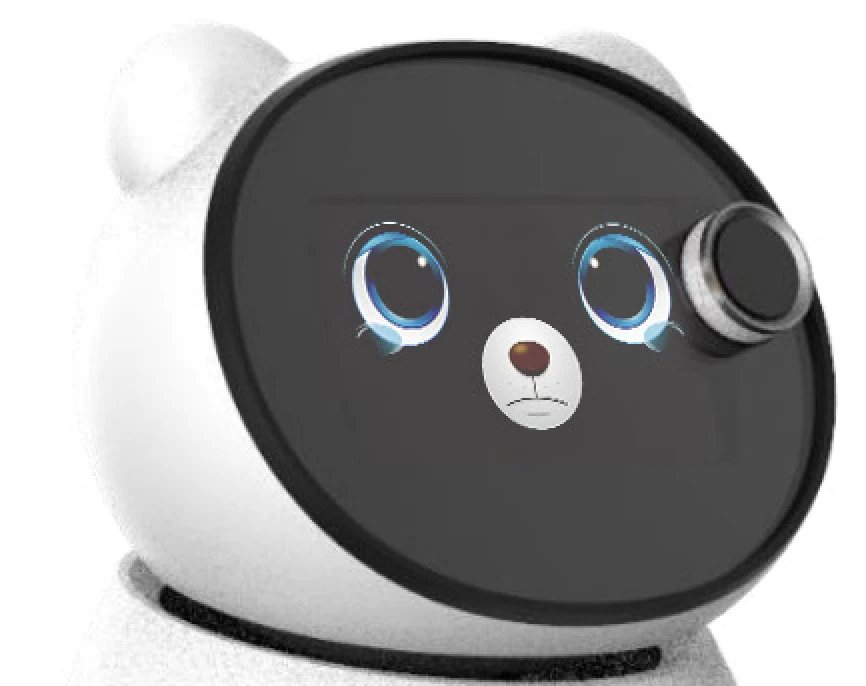
The robot tells the user he needs to see a doctor.
 Dori
Do you want me to contact a doctor?
UserOh… that would be great.
04
Connect a remote consultation
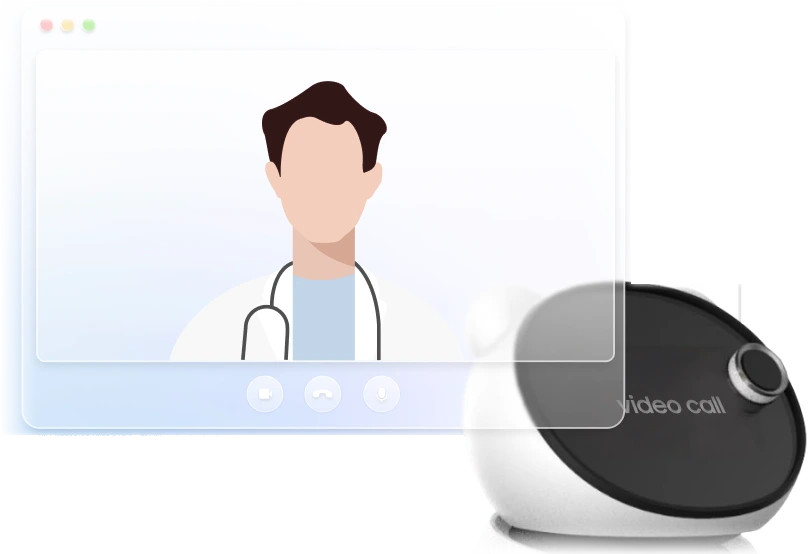
The robot contacts a hospital and runs the remote medical examination by video call.
 Doctor · video call
Mr. Kim, how are you feeling?
UserMy shoulders are very stiff, so I can hardly move my neck.
Doctor · video callOh, you need to get some treatment. I'll make an appointment.
05
Book and remind
The hospital's text arrives, and Dori adds the appointment to the calendar.
Messages
[Seoul Hospital] Mr. Kim, you have the doctor's appointment on June 13 at 3 pm
 Dori
Grandpa, don't forget to go see the doctor next Monday at 3.
UserAh, thank you, Dori.
My role
02
UI Emotion Design
Users looked to the face before the voice
- Older users checked the face and expression before listening to the voice.
- Their gaze kept returning to the eyes, which they used to read the robot's state and intent.
Expression wasn't emotional decoration — it was the interface that conveys state.
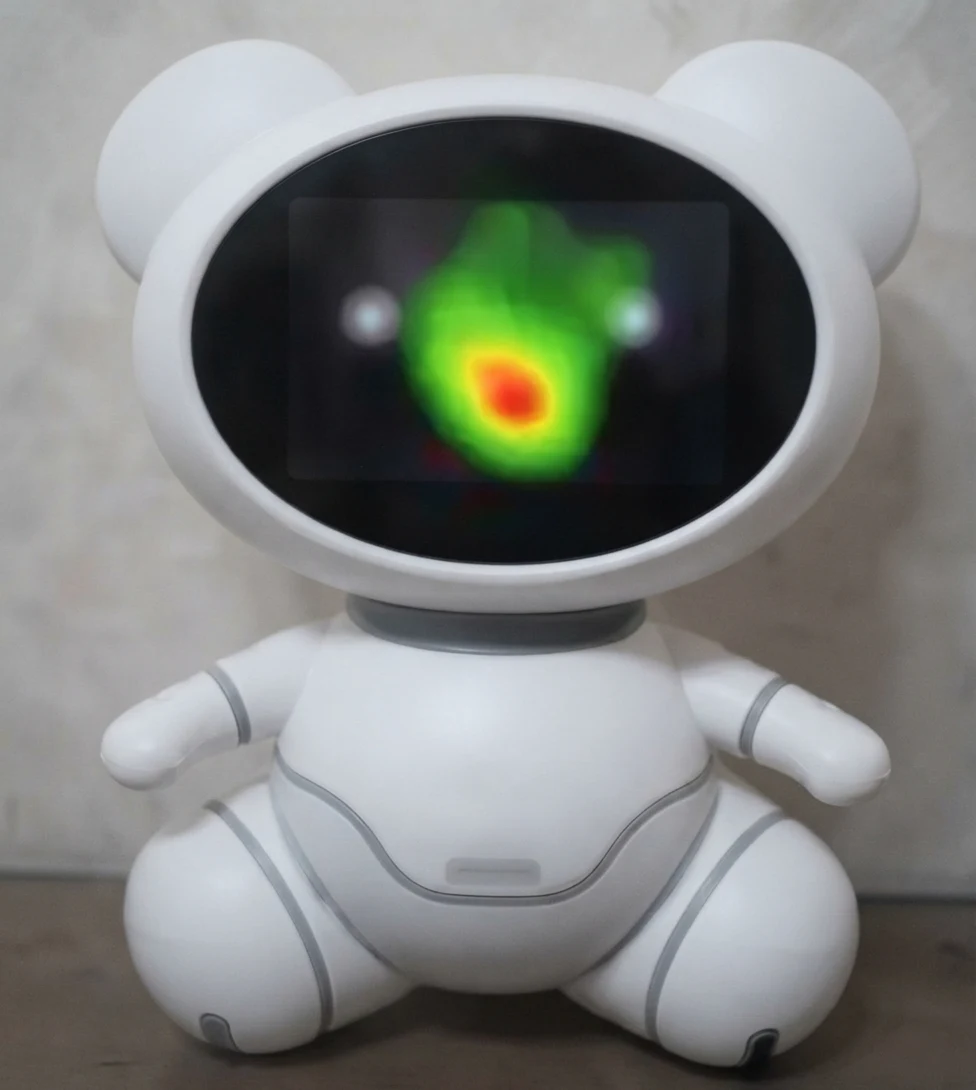
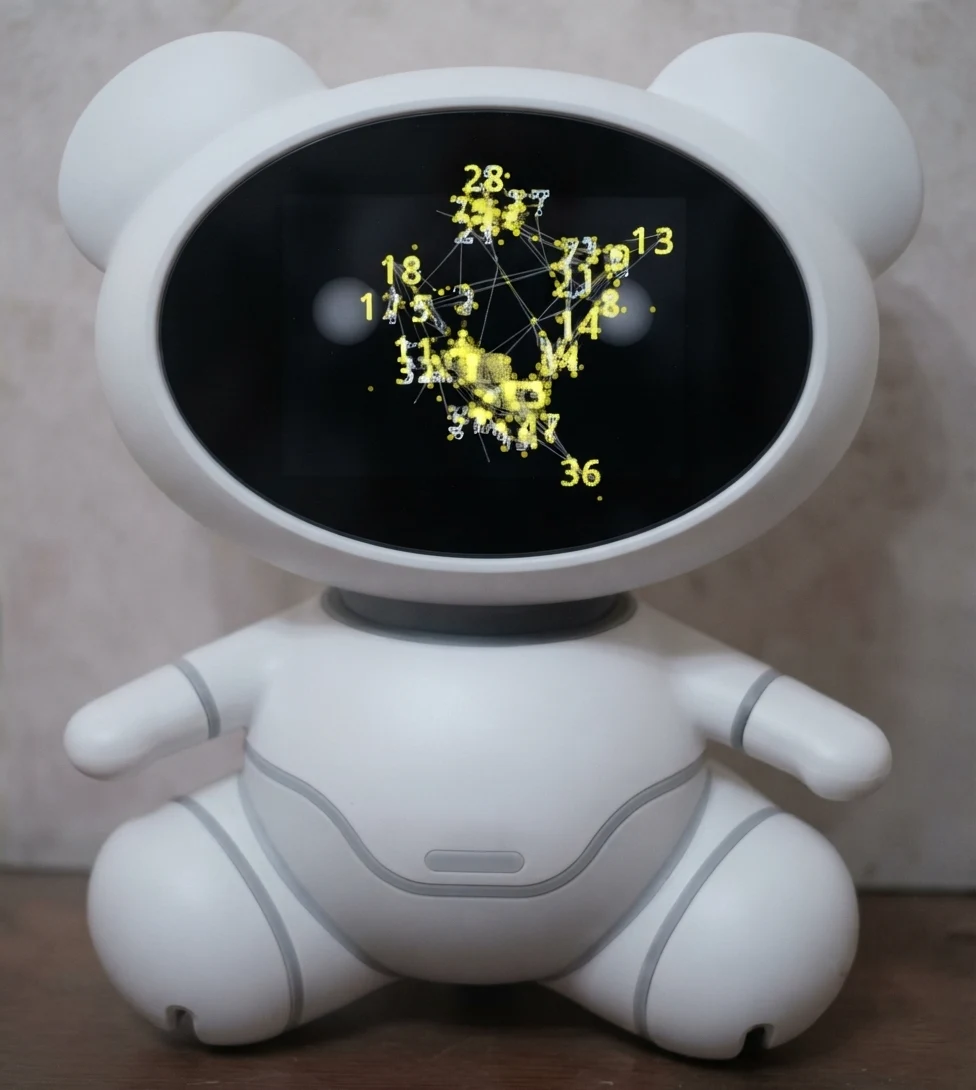
Older participants (65+) — gaze stayed longer on the face and expression
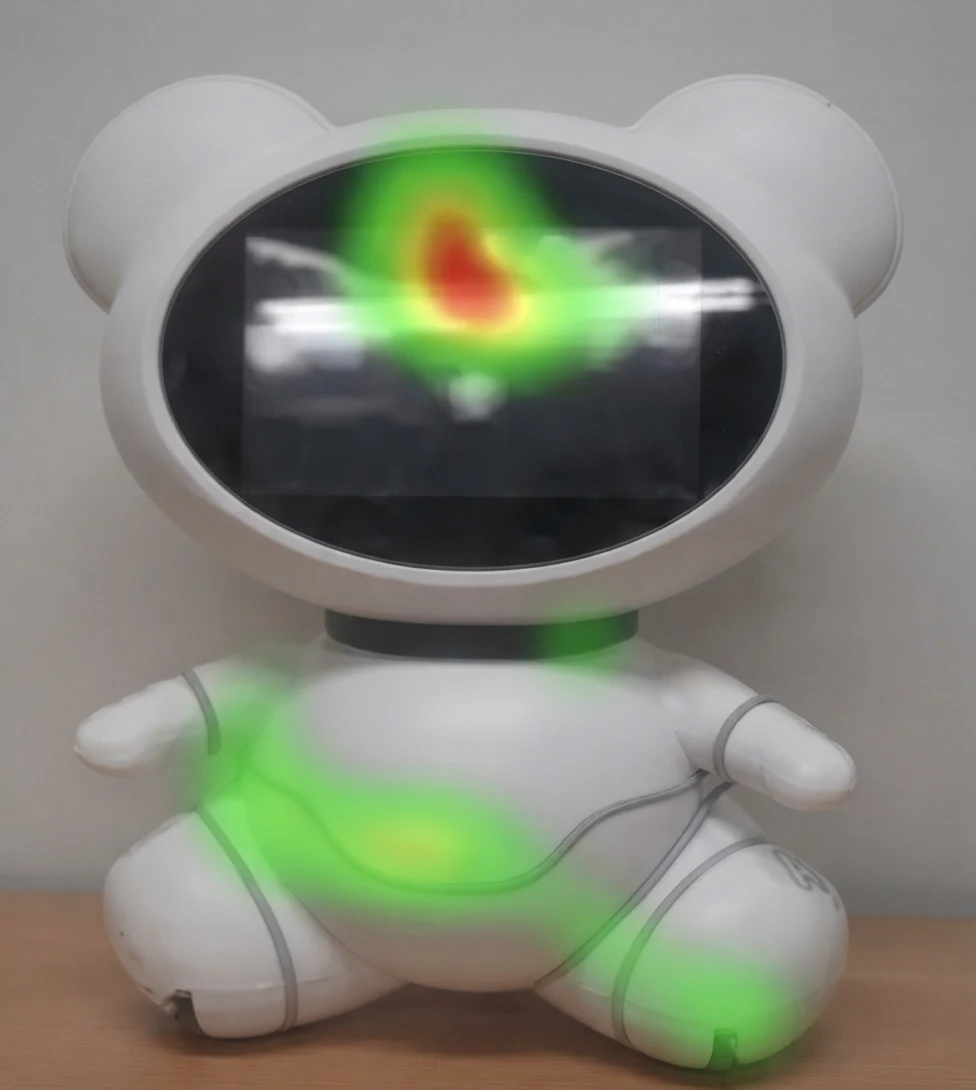
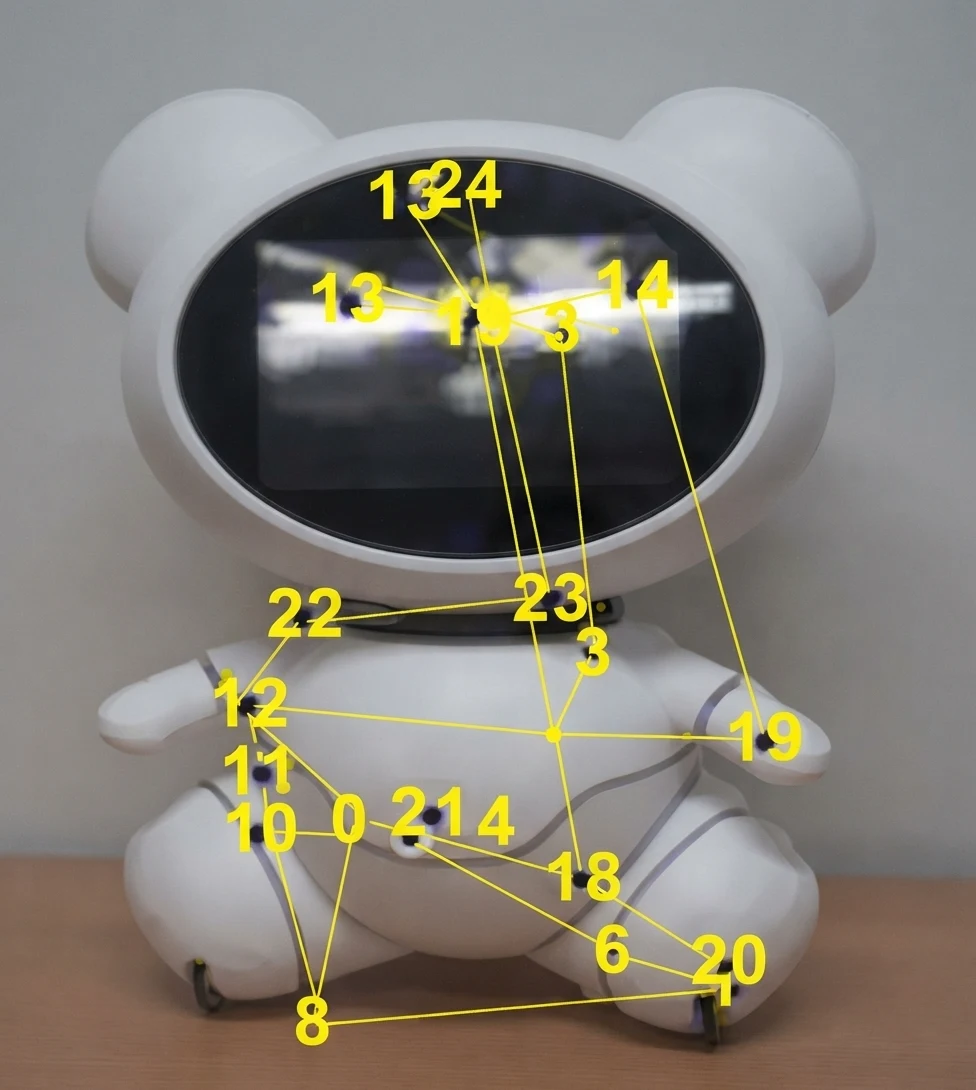
Participants in their 20s–30s
Expressions that carry both feeling and state
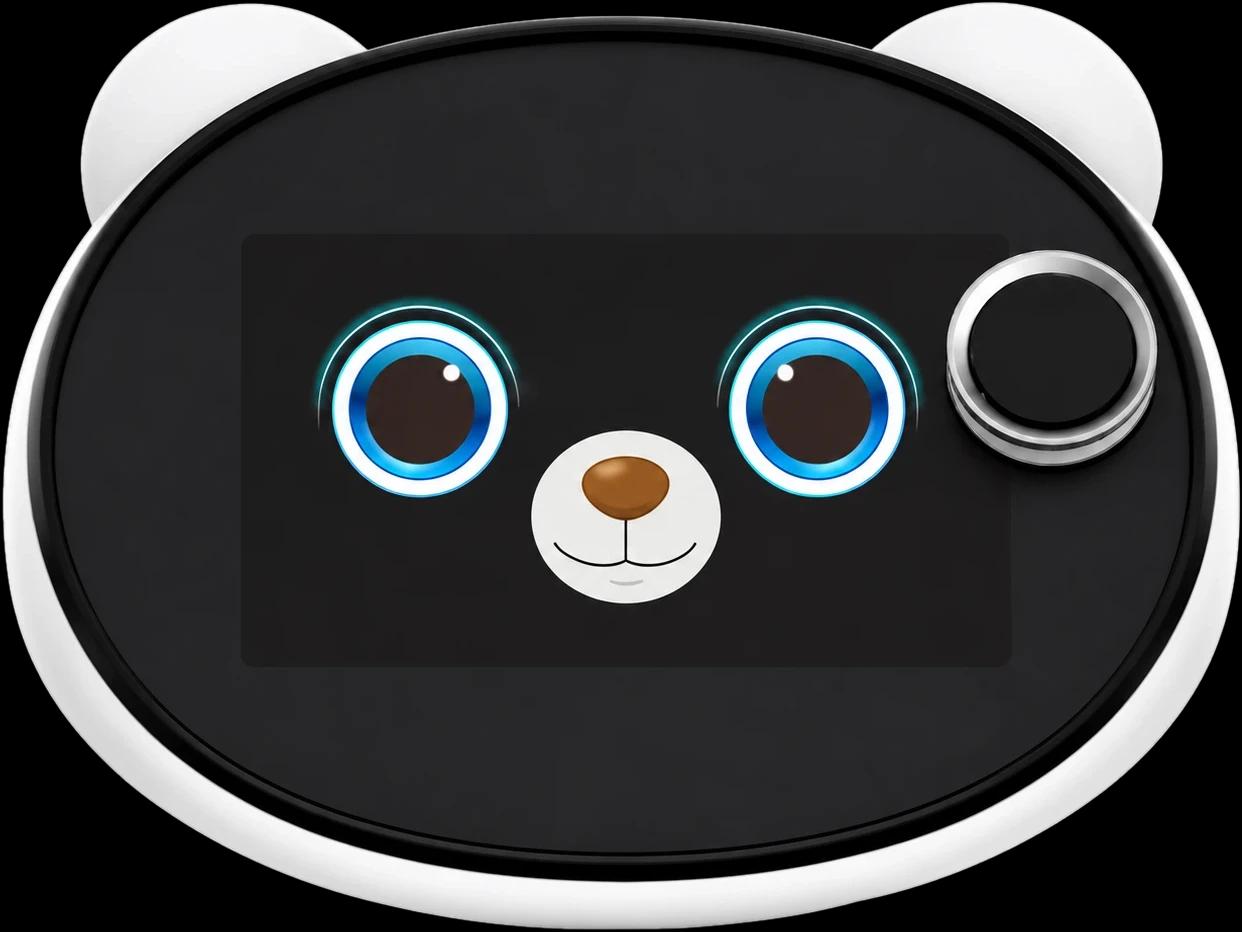
Older adults felt closer to robots with human-like faces, so the expressions were designed to feel like talking with a person.
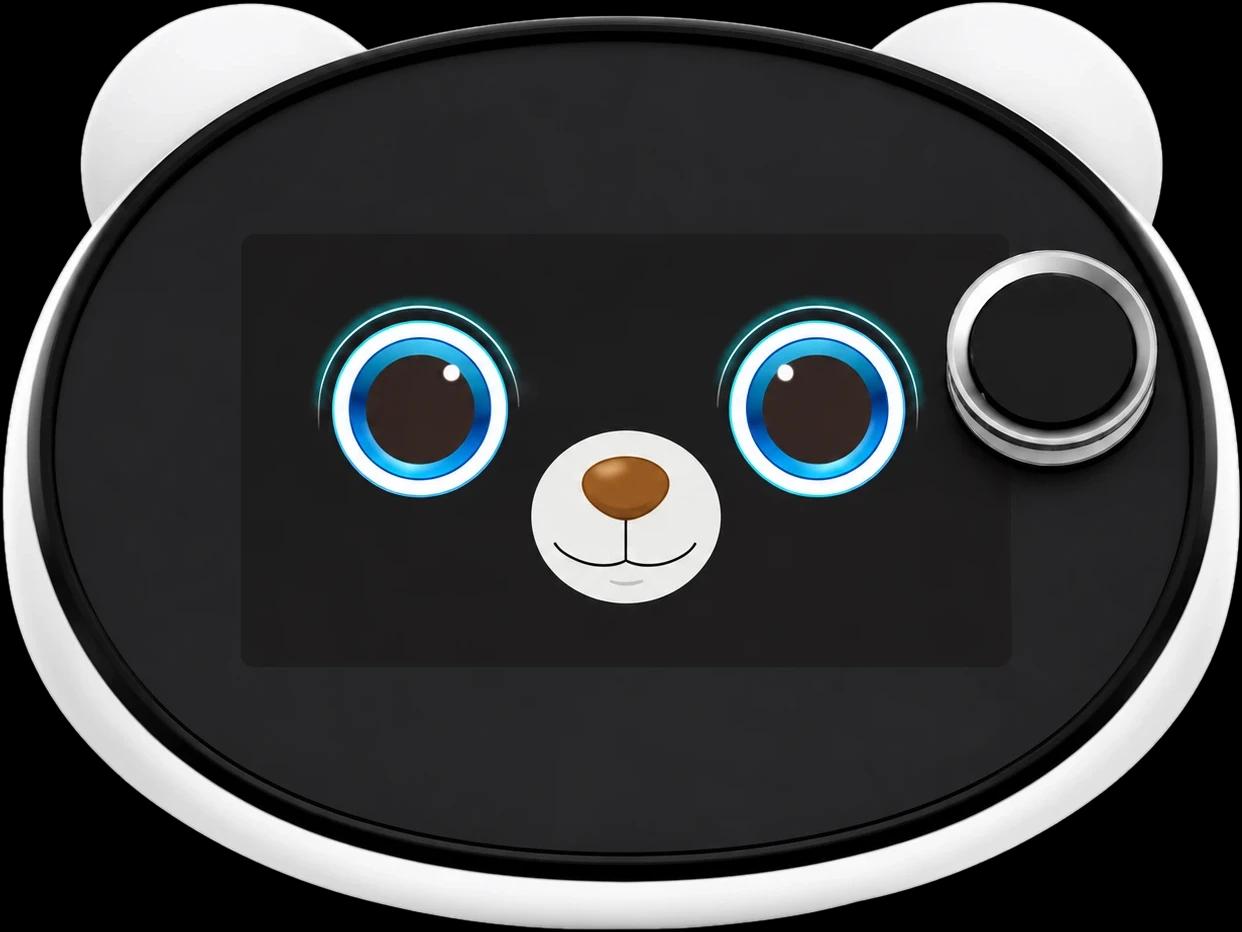
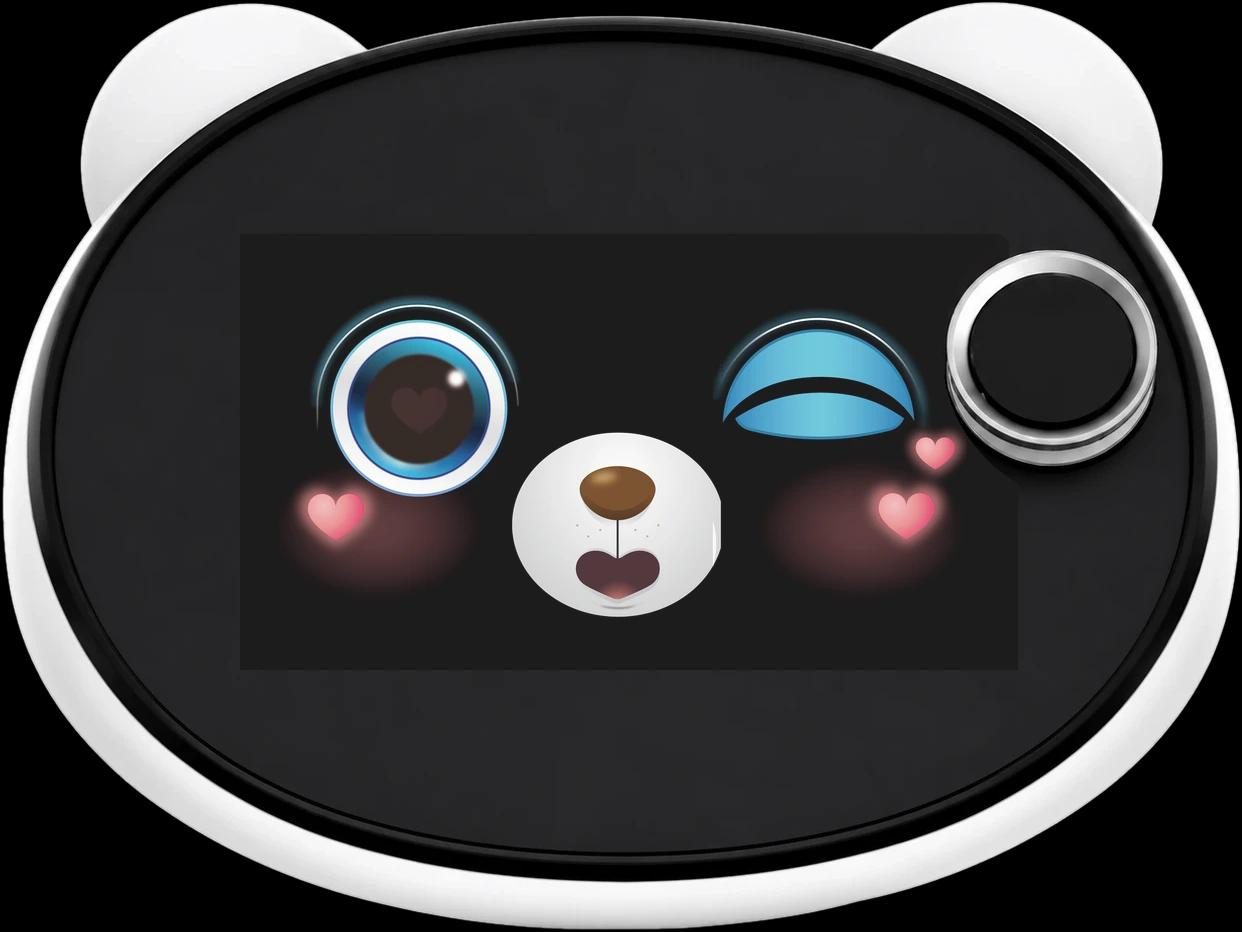
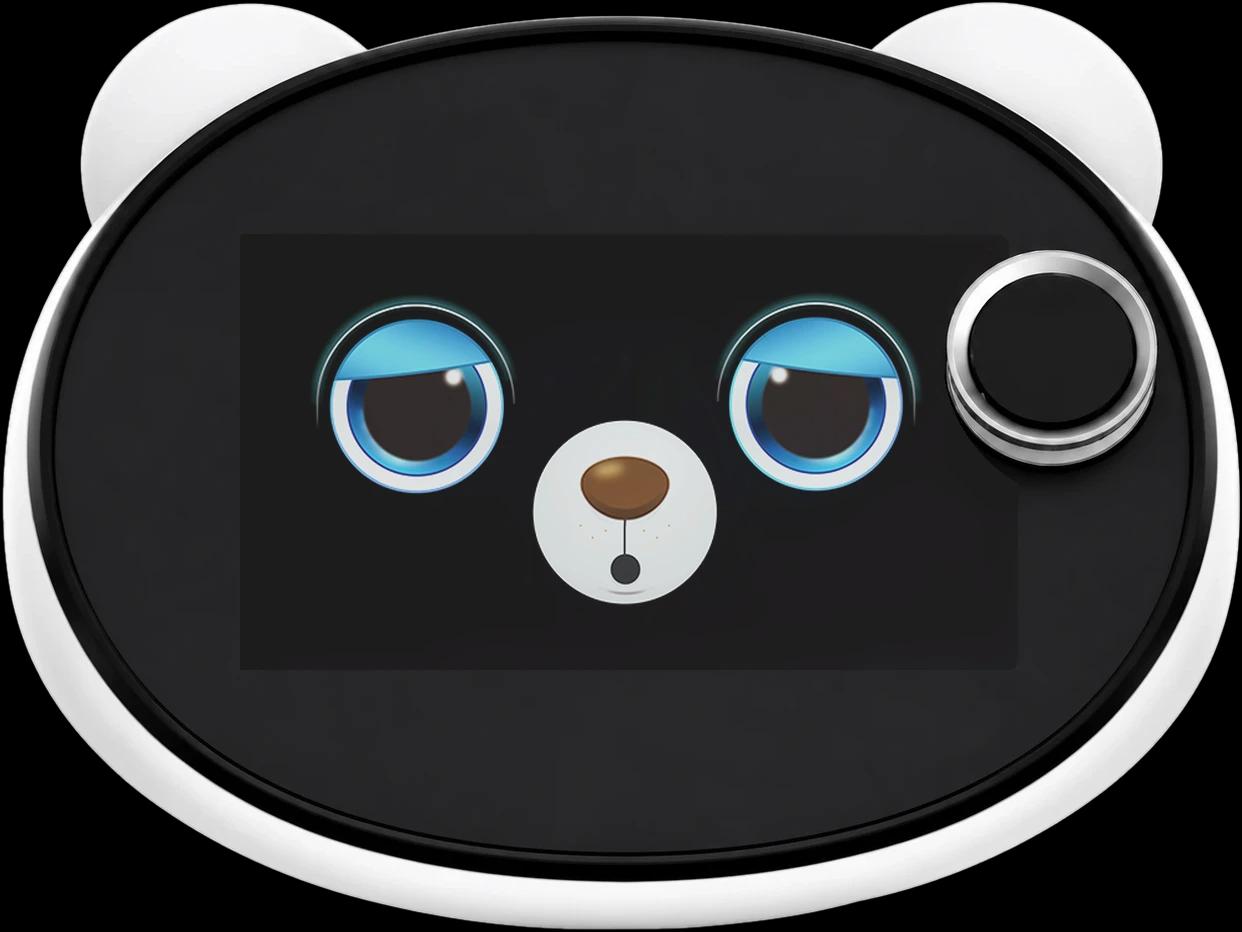
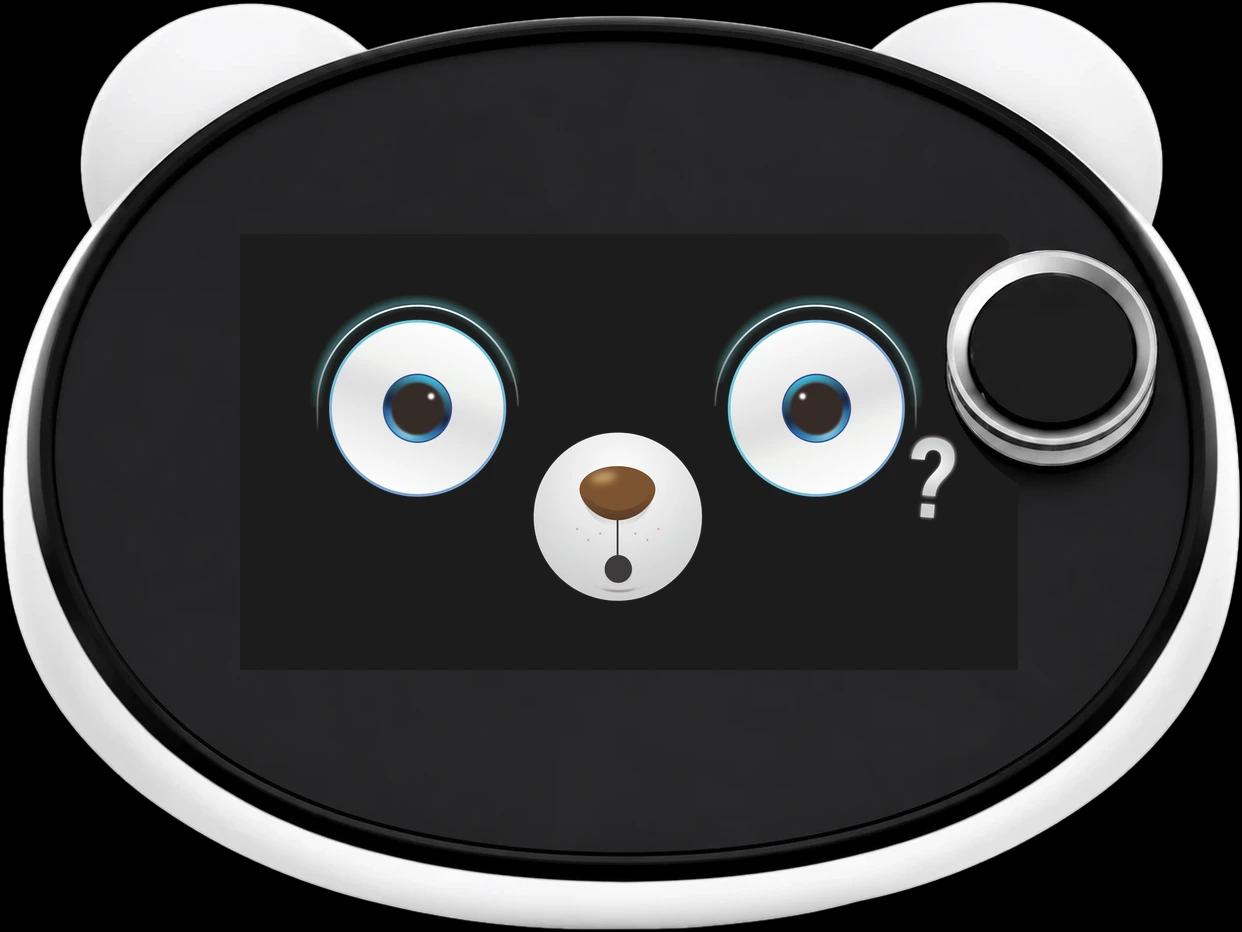
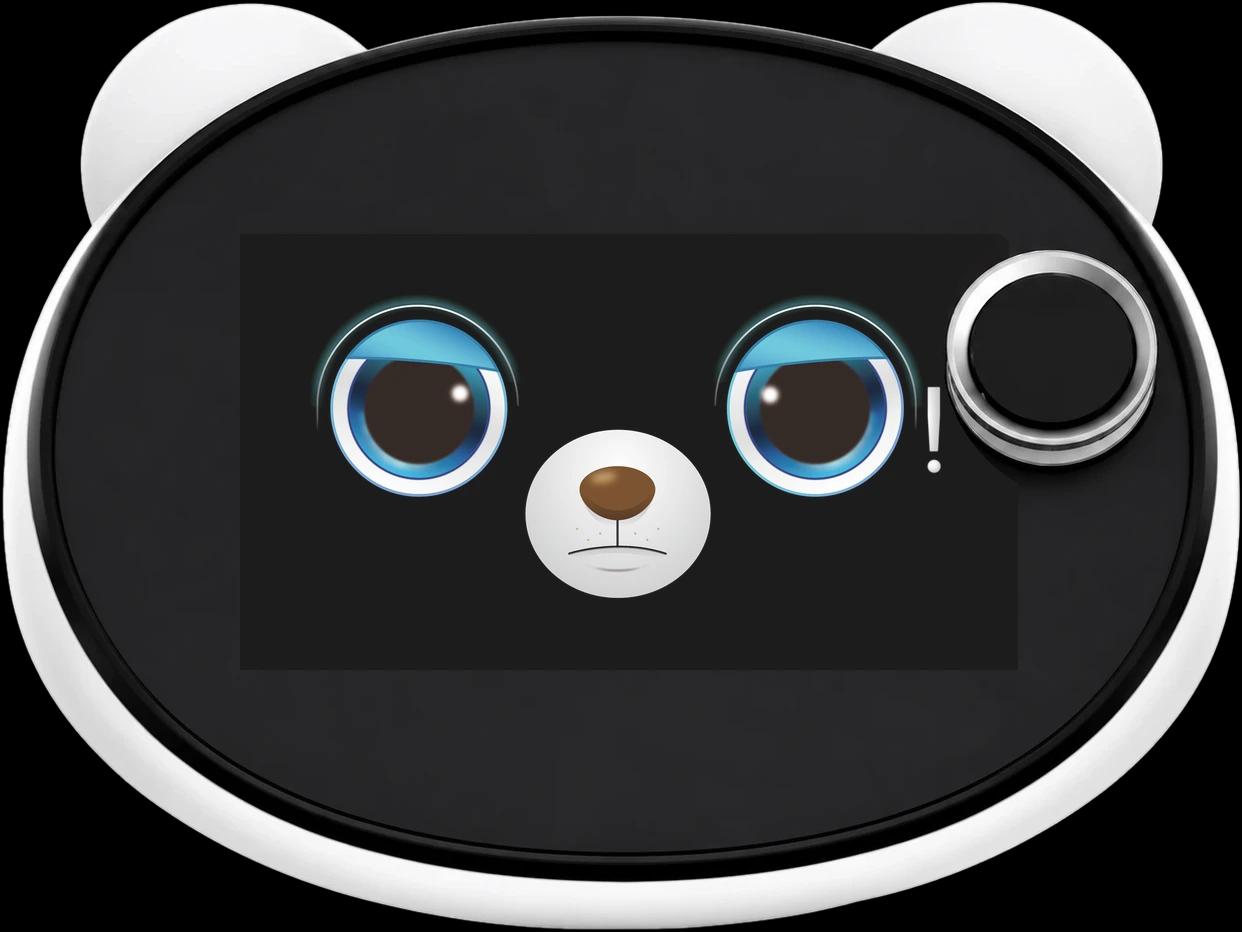
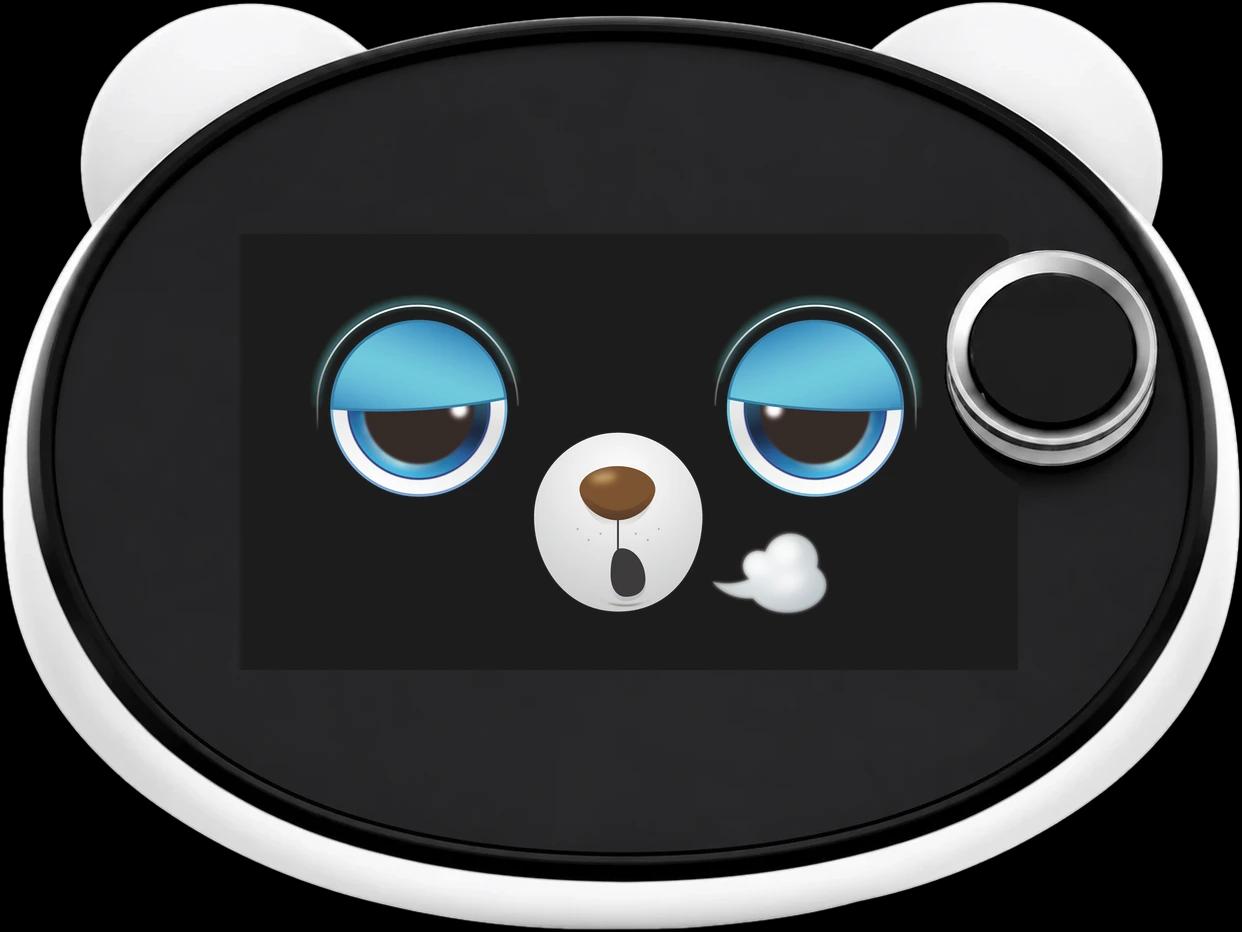
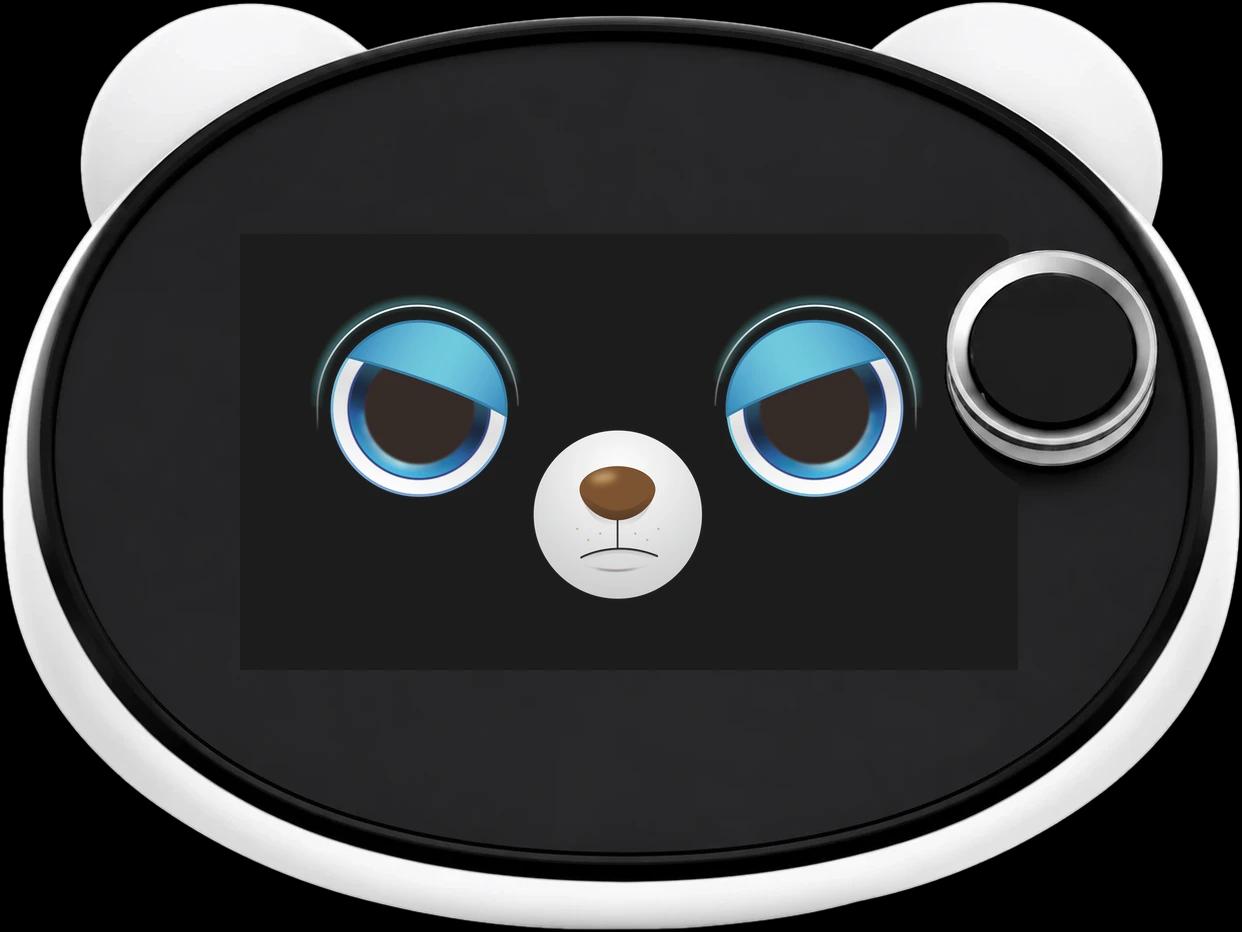
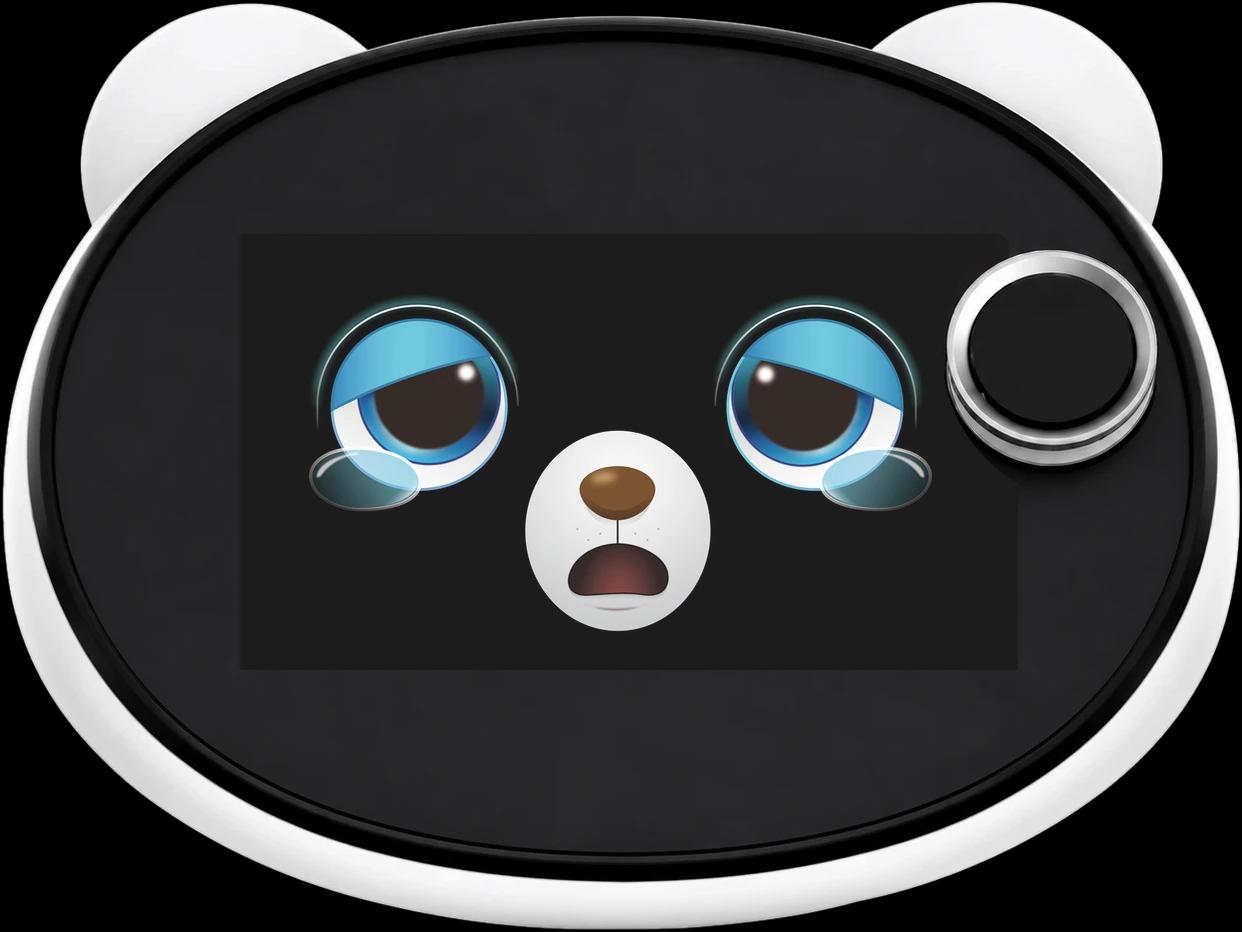
13 expressions: Ekman's six basic emotions, plus seven variations for the scenarios.
Testing candidate forms, converging on a teddy bear
Older adults' preference across human, teddy-bear and puppy faces (91 participants).
- 4
- Form iterations
- 3
- Physical prototypes
- 91
- Older-adult participants
Round 1
Explore candidate forms
Mechanical and humanoid forms felt burdensome
Round 2
Narrow the preferred range
Round, doll-like forms felt friendlier
Round 3
Converge on a teddy bear
The bear felt friendliest; gaze stayed on the face
Teddy bear 81.8%
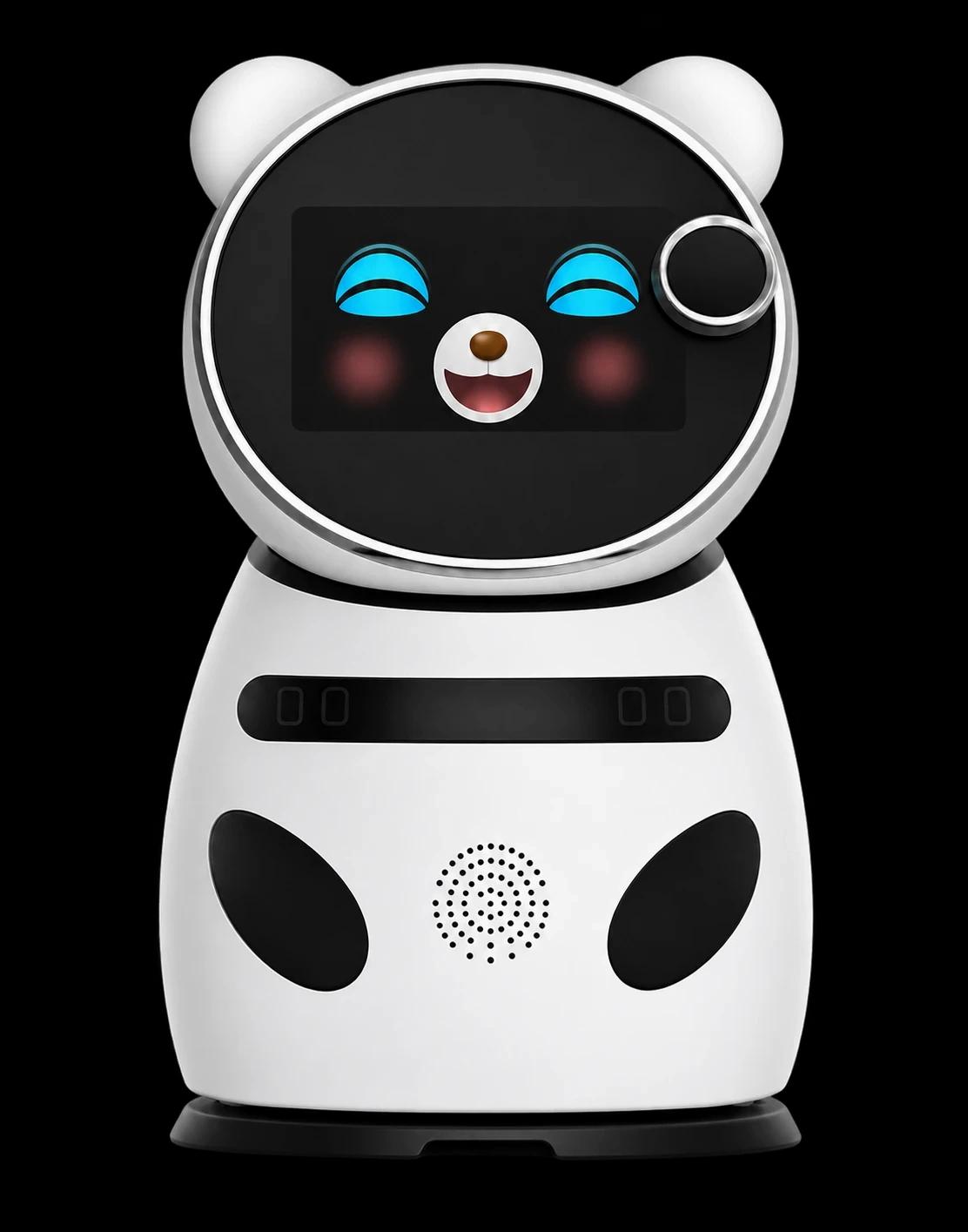
“This one feels like it would talk to me.”
My role
03
Interaction Design Guideline
A familiar way of speaking narrowed the distance
To older users, standard Korean sounded like a machine. In dialect, they felt closer and trusted the robot more.
StandardFeels like a machine
DialectFeels like it's talking to me
Robot's question
- 01어르신, 약 잡수실 시간이요잉Sir, it's time to take your medicine, y'know
- 02어르신, 약 자시겄어요?Sir, will you be taking your medicine?
- 03어르신, 약 챙겨 드시랑게요Sir, do remember to take your medicine, now
User response — rejection
- 01이따 묵을라고I'm gonna have it later
- 02안 묵으면 안 되냐Can't I just not take it?
- 03이따 묵을게 (이따 먹을란다)I'll have it later (I'm gonna take it later)
Guideline: if the user declines or doesn't answer, Dori doesn't keep repeating the reminder.
Supported dialectsGyeongsangJeollaChungcheongJeju
- Developed voice conversation scenarios · Sentences the older adult speaks first / Conversational, question, and suggestion sentences by the robot
- Each sentence written in three structures, to anticipate changes in sentence structure and form
Interaction design principles that build trust
Conversation designed around older users, to build trust.
Core design direction
Minimize psychological resistance
Friendly expressions and a soft tone keep the psychological burden low.
Situation-based conversation flow
The interaction flow adapts to the user's state and responses.
Users' behavioral data proved the communication UX direction
Behavioral data set the communication UX direction for HRI with older adults.
- 81.8%
- Older adults' top-preferred designTeddy-bear form, p < 0.05
- AHFE 2019
- International conference — first author and paper presentation“Understanding the Preference of the Elderly for Companion Robot Design”
- Patent
- Design patent filedKorean Intellectual Property Office